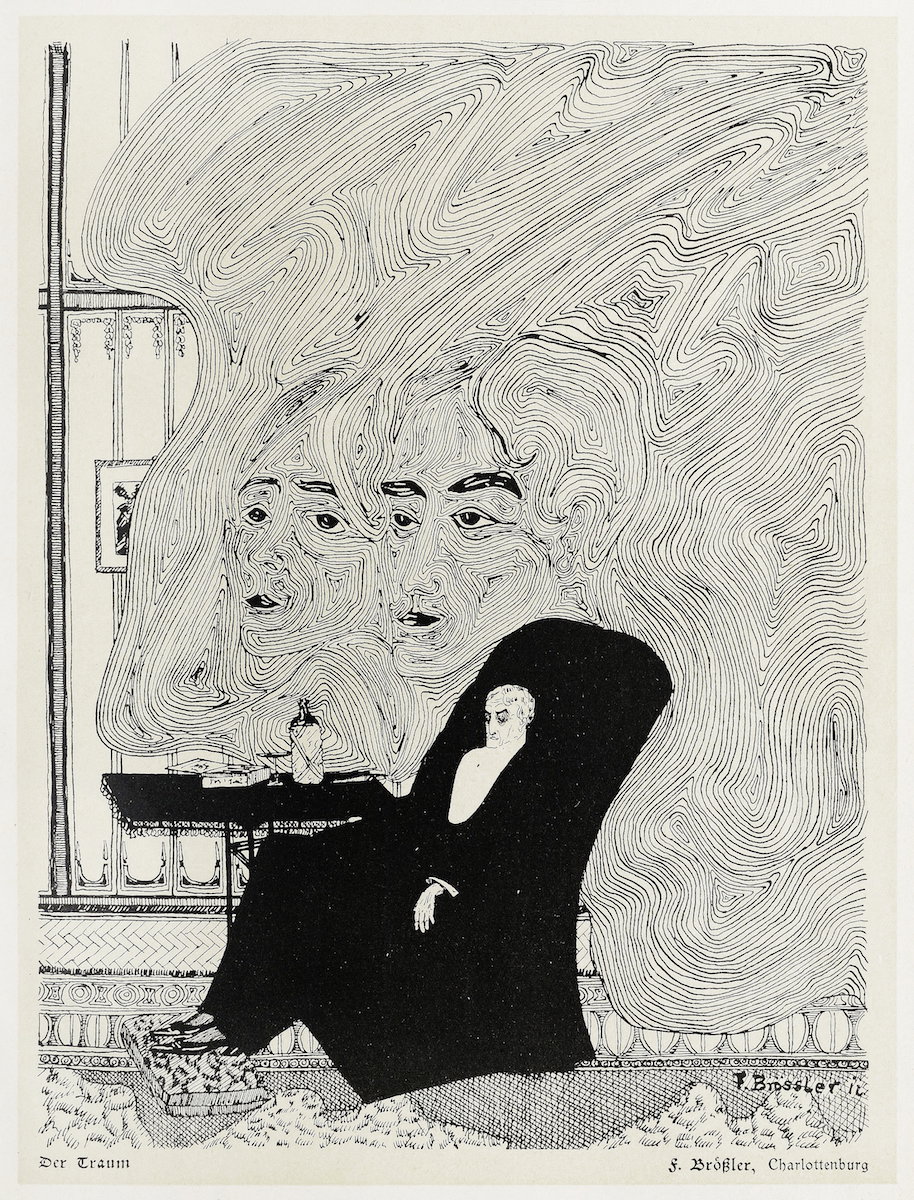
Figure 1 The Dream. Note. F. Brossler, 1912, Universitatsbibliothek Heidelberg.
In an economic and cultural climate of scarcity, fear, and insecurity, I find myself frequently ruminating on what actually makes a creative practice sustainable. I’m not talking in simple terms of productivity or revenue generation, but in a deeper, more philosophical sense that considers the reality of being an artist in America. How do we build a practice that we can joyfully navigate without burning out or getting lost? Is it even possible anymore?
The most compelling creative practices I have witnessed follow the lead of an artist’s life, moving in tandem with their interests and curiosities in a kind of ebb and flow, with one idea naturally leading to the next. Through this intuitive practice, which takes what is happening around you and inside you and tries to make sense of it, the intangible and ephemeral is translated into something that can be shared and participated in.
For me, intuition makes itself known in my chest. It is a need, an urge, an impulse. It stays and lingers. A preoccupation, almost an obsession, something that demands to be investigated.
I keep getting called back to the ideas of memory loss, cognitive decline, and interstitial spaces where the laws of the outside world no longer apply. This fascination shows up in my journals, my browser history, the movies I watch, and the songs I listen to. I feel pulled to understand my dreams and what I can’t comprehend, and that pull has only gotten stronger while I watch my grandmother live with dementia. They are topics that have influenced my research, creative ideas, and outlook on the world, and I follow where they lead me through the medium of exhibition design and curation.
Intuition is where all creative practices start, but creative practices are really three things all at once – intuitive, expressive, and social. Through my own work and observing the artists I am close with, I’ve come to understand that the interplay between these three elements is what makes an artistic practice both sustainable and rewarding.
I don’t think a single artist I know would describe their practice as linear. Decades in, some are still shifting mediums entirely, moving between forms in a way that looks, from the outside, almost effortless. That range only comes from staying engaged with both your inner world and the world happening around you – a balance that is incredibly difficult to strike.
Intuition / Research
Before anything is made, an artist does this sort of invisible labor that is often completely overlooked by both artists and outsiders. It can look like journaling, reading, watching a film, listening to an ambient album on repeat, therapy, or just meditating with no goal in mind. None of it appears as work in the traditional sense, which is exactly why it gets undervalued – but this is where a practice actually takes root. Every idea that eventually becomes a work of art starts as something absorbed, not something invented from a vacuum.
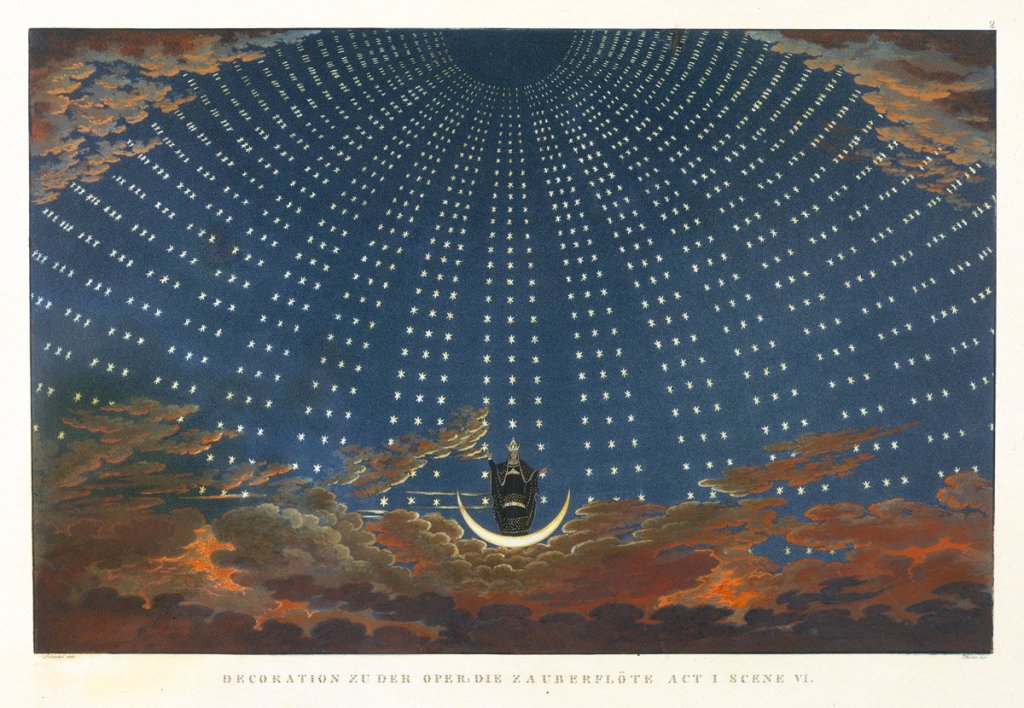
David Lynch describes this process as fishing. Ideas surface for a moment – while you are half asleep, mid-conversation, in the shower – and if you don’t quickly reach for them, they flee. The willingness to stop and write something down before it slips back under is the most important habit worth building. Our captured thoughts point us to what should be explored and investigated further, aligning with topics that fascinate, motivate, and propel us. Keep a running record of whatever catches your attention, even if you don’t know why.
Academia has a way of making research sound tedious – something reserved for people with the proper training, right vocabulary, and access. In a moment where it is genuinely hard to tell which information is trustworthy and which is skewed and biased, it can be intimidating if you don’t come from an academic background. Here, I’m using the word research more casually. I mean any intake, mental or physical, that gives you something to reflect upon. A conversation. A pattern you notice. All it requires is your attention and your ability to draw your own conclusions.
It is imagining, giving your mind the material to investigate. Everything that follows, all the actual making, is informed by what is gathered here.
Expression / Creation
The expressive stage is what most people picture when they think of an artist’s work – studio time, materials, technique, the physical act of making. In this space, every choice is a form of communication. Nothing in a truly finished piece is accidental. Even the choices that look accidental are still choices, made by someone working through what they are trying to say.
Seen this way, this stage affirms the labor behind the work. A painting or song or textile or dance isn’t made out of nowhere – it is channeled through the artist, using everything gathered in the stage before it. The artist possesses more autonomy here than at any other point in the process: what techniques to use, what to include, what to leave out, what it means. That autonomy is also what makes this phase feel private and intimate. It is a space where the work exists as a work in progress, unfinished and unseen, before anyone else encounters it.
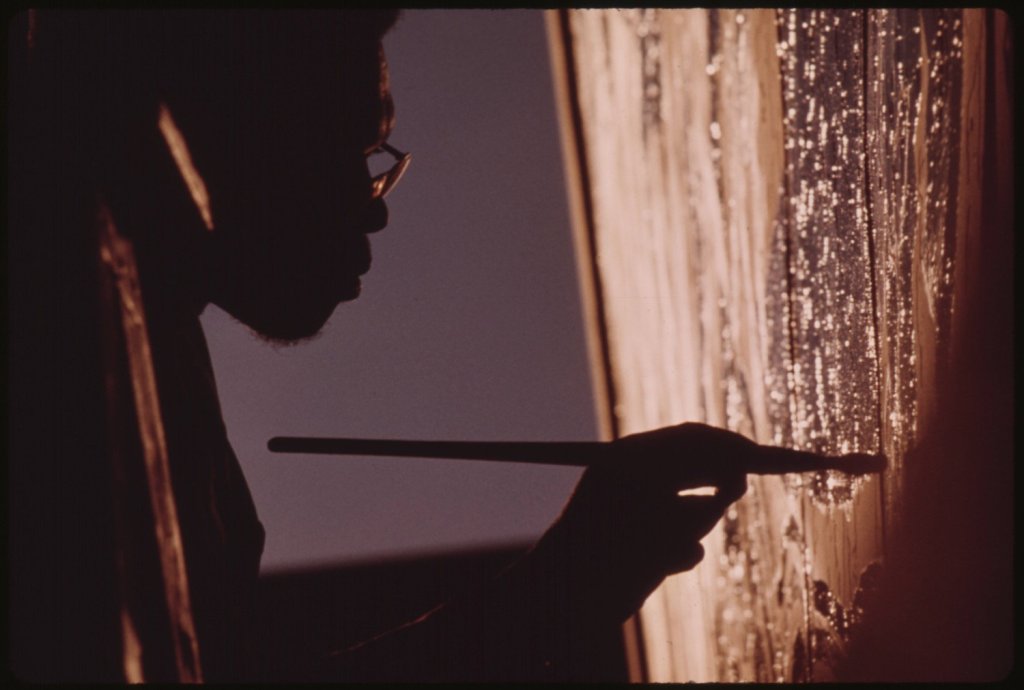
Expression doesn’t always happen alone, though. It can take shape through collaborations, merging more than one person’s intuition into a single piece. Expression starts to fold into the social side of a practice.
None of this happens without an unwavering, admirable type of dedication, but the work of an artist is not quite done even when their creation is completed.
Social / Interface
The social stage is the one on which artists get the least guidance. It is rarely even mentioned as part of an artist’s career, though it holds just as much weight as anything made in the studio. It includes attending openings, visiting galleries, reaching out to other artists, emailing curators and gallerists, posting on social media, creating a website. Through these acts, an artist’s work is shared – not just the finished piece, but the internal processes behind it. Communicating that process, tying the intuitive and expressive together into something legible, and staying open to what can be gained are the most important skills this stage asks for.
Some of the most useful guidance I have ever received has come through exposure – consultations, conversations, workshops, lectures, networking events. In an ideal world, artists and arts professionals would share resources and opportunities freely, critique each other’s work meaningfully, and offer real feedback on artist statements and CVs – all free of charge. That world doesn’t exist yet, but the interfacing between creatives is still where most of the real learning and career advancement happens.
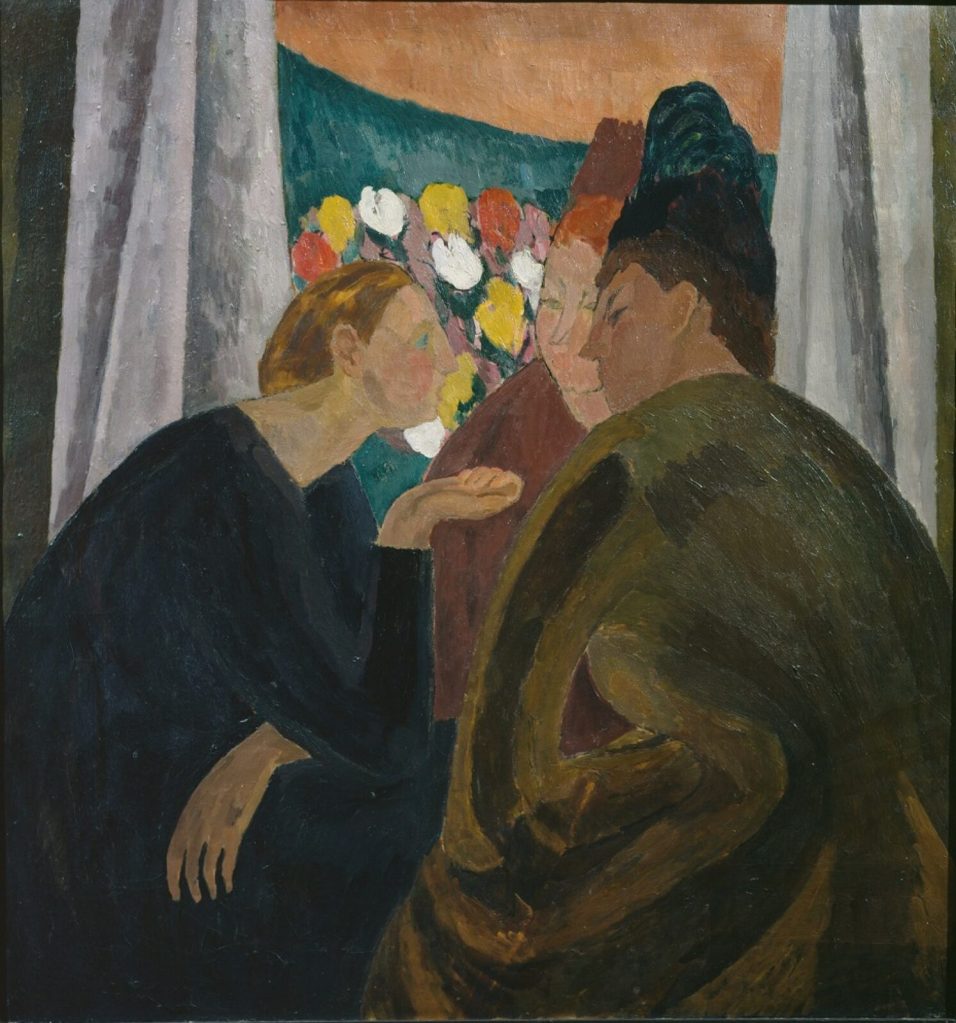
No one can see your work if you don’t put it out there. No one will know you are an artist unless you tell them. It can be intimidating to be seen, especially in spaces built on exclusivity and prestige, but artistic success largely depends on your participation. Maintaining relationships with clients over coffee or a newsletter, emailing a gallerist a CV, or posting what sources you have referenced in your intuitive and expressive practice are all forms of communication that shape how an artist and their work are understood by others.
Discernment / Perception
The art world has real, deep-rooted issues with exploitation, gatekeeping, and censorship, so it is important to be careful about whom you trust with your process and whom you collaborate with. I hear far too many stories of inappropriate clients, censored statements, bad faith agreements, and work taken without credit. Many emerging artists simply don’t know their legal rights – an intentional omission from many consultations, workshops, and curricula since the people who hold that knowledge benefit when artists lack it.
Personally, this is the side of my creative practice I find both most exhausting and most rewarding. It is where opportunities and connections actually materialize, where real relationships form. It is also where burnout creeps in, where artists are taken advantage of, where autonomy dissipates in an instant. There is an all-too-common pressure to say yes (and thank you) to everything – an unpaid show, an exhibition that won’t market you, a curator who pulls your work the moment it makes a donor or collector uncomfortable.
Discernment is protection: knowing who can be trusted, which gallery’s values actually align with yours, and which collaborators understand reciprocity instead of just taking. Listen to that intuitive voice, the same voice that leads you.
Flexibility / Autonomy
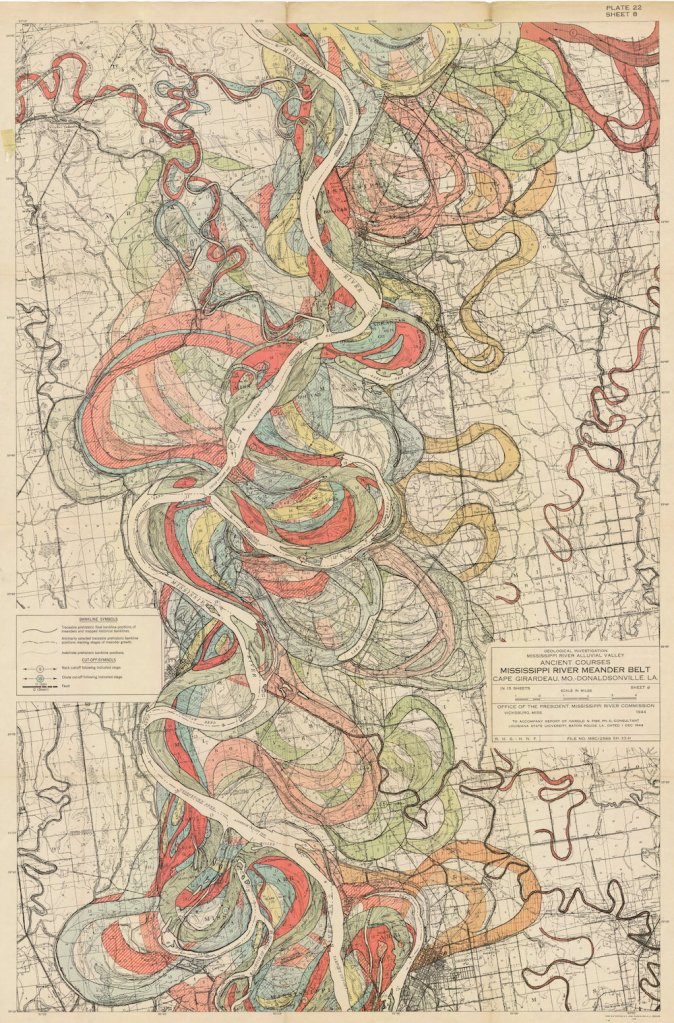
None of these stages can work on their own. Intuition without expression remains trapped as an idea that never takes form. Expression without intuition is just technique without intention. And without socialization, even the best work can go unseen. Sustainable artistic practices need all three because each stage depends on the one before it.
I keep coming back to this framework as it has helped me better appreciate and value all the invisible labor that goes into any form of creative work – labor that is too often discredited and dismissed. What goes unseen and what remains a work in progress counts just as much as the version that is eventually on display.
Thinking this way gives me room to breathe. An artist doesn’t have to feel guilty for a week spent reading instead of making, or a month spent building relationships instead of finishing a piece. The skills learned in all these stages that can’t quite be captured on a resume – discernment, self-advocacy, the ability to sit with an idea before it is fully formed – matter just as much as technical mastery. Maybe more.
Creative practices built this way are not linear, but no creative practice really is. Regardless, it moves, following the lead of the artist.
References
American Film Institute. (2011). David Lynch on ideas [Video]. YouTube. https://www.youtube.com/watch?v=S2RFMCmfRmc
Bell, V. (1913). A Conversation [Painting]. Estate of Vanessa Bell & Courtauld. https://courtauld.ac.uk/highlights/a-conversation/
Brossler, F. (1912). The Dream [Print]. Universitätsbibliothek Heidelberg & Public Domain Image Archive. https://pdimagearchive.org/images/518dcbf6-be7d-491f-adda-f28c6126020d/
Fisk, H. (1944). Untitled from Geological Investigation of the Alluvial Valley of the Lower Mississippi River. US Army Corps of Engineers & Public Domain Image Archive. https://pdimagearchive.org/images/7d27e183-7073-4780-b37f-e74889781c56/
Friedrich Thiele, K. (1848). The Hall of Stars, a Design for The Magic Flute [Print]. The Metropolitan Museum & Public Domain Image Archive. https://pdimagearchive.org/images/9429b03e-32a4-43eb-95ae-0ee3a93a386f/
White, J.H. (1973-4). Artist Ron Blackburn painting an outdoor wall mural at the corner of 33rd and Giles [Photograph]. U.S. National Archives & Public Domain Image Archive. https://pdimagearchive.org/images/5a2da9b6-aca6-4947-9f02-24a0538ab5a2/

 Emma K. Sonnier | In Progress: A Museum Studies Journal
Leave a comment